
Bookmark this page for quick reference
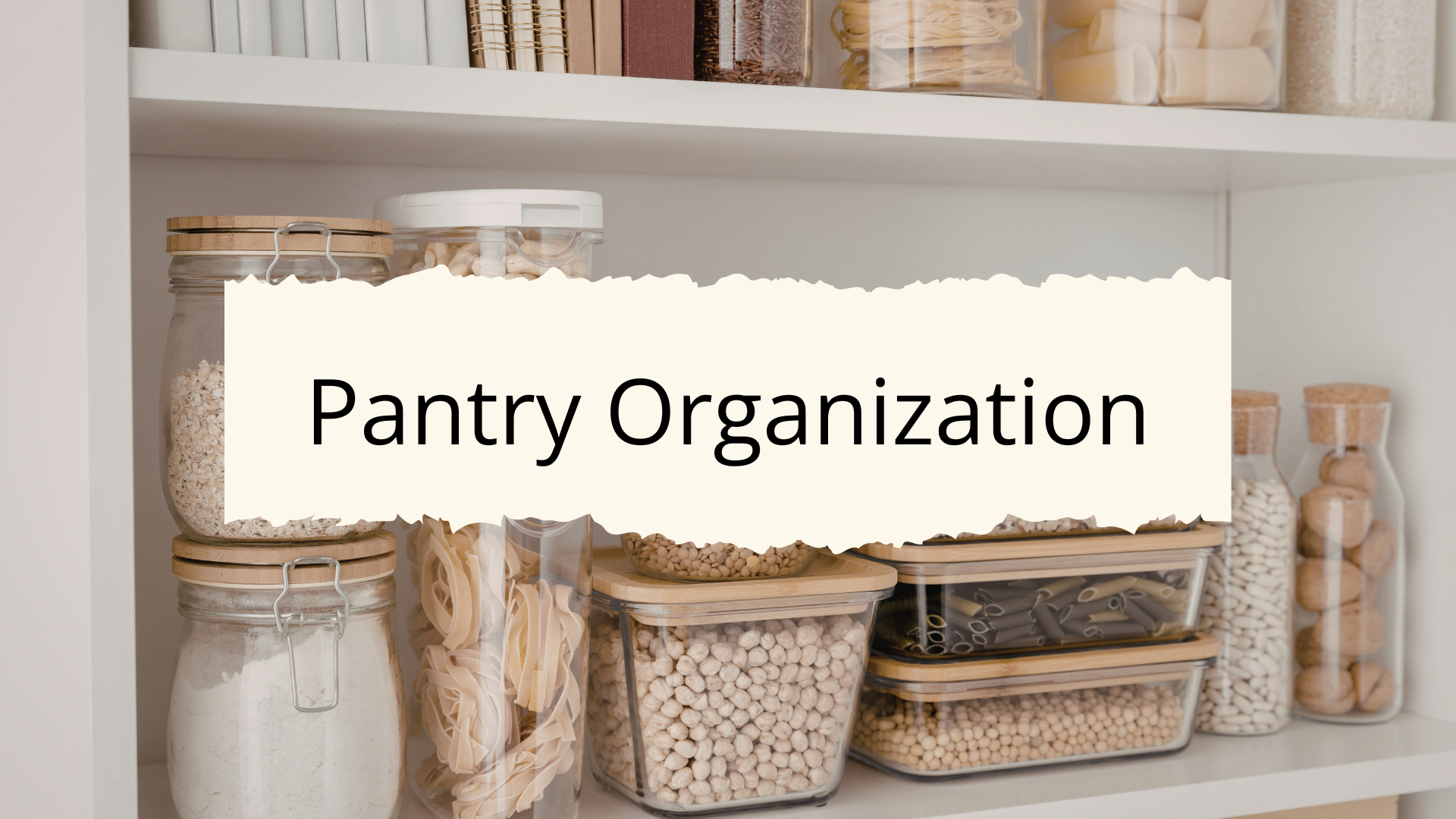
A pantry that runs smoothly is the result of a system, not a one-time cleanout.
So if your pantry is unorganized chaos, then this post is for you.
What This List Is For:
This checklist gives you a structured reference for setting up and maintaining pantry organization as an ongoing household function, not a weekend project you do once and abandon.
📄 Looking for more lists like this one? The Home Management Binder is a ready-to-print system covering every area of your home in one organized place.
Some households store this checklist in the Organization Section of their home binder to keep essential home details easy to reference.
What Is A Household Binder?
A household binder is a single reference point for the lists and information you use repeatedly to manage your home. For a full overview of how the system works, visit our household binder guide
Below are the categories and details typically included in a pantry organizational checklist.
What to Include in a Pantry Organizational Checklist
A complete pantry checklist covers three areas: zone setup, category inventory, and maintenance tasks.
Each area serves a different function, zone setup is done once during initial organization, inventory is updated regularly, and maintenance tasks run on a schedule.
The sections below break each area into its working components.
Zone Setup
Before tracking inventory, the pantry needs a defined zone structure.
Zones determine where categories live and make it possible for the system to hold up across multiple household members and regular restocking.
- Assign a fixed shelf or area to each food category
- Designate prime real estate (eye level, easy reach) to high-frequency items
- Place heavy items on lower shelves, infrequently used items higher up
- Create a dedicated zone for baking supplies if used regularly
- Reserve a specific spot for items nearing expiration (“use next” bin or front-of-shelf priority)
- Label each zone: shelf labels, bin labels, or both
Once zones are assigned, the goal is to keep them consistent.
Shifting categories around after every grocery trip is one of the most common reasons pantry organization breaks down over time.
Pick a layout that reflects how the household actually uses the space and leave it in place.
Dry Goods and Pantry Staples
This is the core inventory section of the checklist, as it tracks what you have, what you’re running low on, and what needs restocking.
Want a Ready-Made Version?
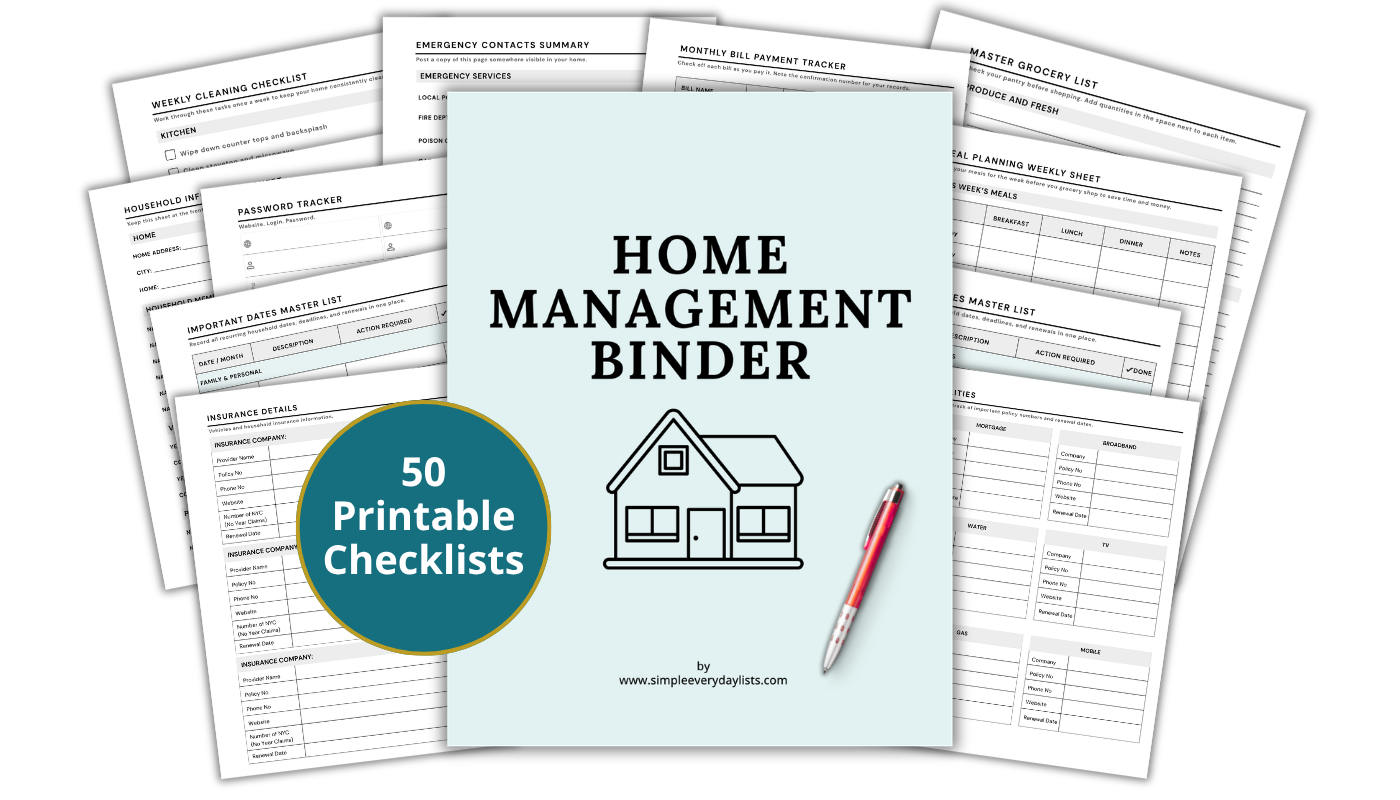
The Home Management Binder is a 50-page printable system covering every area of your household — bills, contacts, seasonal tasks, and more. Print once, use for years.
Learn more about the binder...Most households track this by category rather than item by item, which keeps the list manageable without losing visibility into what’s actually on the shelves.
- Grains: rice, pasta, oats, quinoa, couscous, flour, cornmeal
- Canned goods: vegetables, beans, tomatoes, soups, broths
- Baking supplies: sugar, baking powder, baking soda, yeast, cocoa, vanilla
- Oils and vinegars: olive oil, vegetable oil, white vinegar, apple cider vinegar
- Condiments and sauces: soy sauce, hot sauce, Worcestershire, salad dressings
- Nuts, seeds, and dried fruit
- Snacks: crackers, chips, granola bars, popcorn
- Breakfast items: cereal, pancake mix, syrup
Not every category will apply to every household.
Remove the ones that don’t reflect what your household actually buys, and add any recurring categories that aren’t listed here.
The checklist should match the real contents of the pantry, not a generic template.
The Home Management Binder includes a full collection of ready-to-print record pages covering every area of your home.
Spices and Seasonings
Spices are tracked separately because they expire on a different timeline than dry goods and require their own storage setup.
Tracking expiration dates here prevents using stale spices without realizing it.
- List all spices and seasonings currently in the pantry
- Note the purchase date or estimated age for each
- Flag anything over two years old for replacement
- Track storage format (original jars, uniform jars, spice rack, drawer)
- Note any gaps in the collection based on regular recipes
Ground spices lose potency faster than whole spices, so the two-year guideline is a practical starting point rather than a hard rule.
A quick smell test is a reliable indicator; if a spice has little to no scent, it won’t contribute much to cooking and is worth replacing.
Non-Food Pantry Items
Many pantries also store non-food household supplies.
Including these on the checklist keeps them from becoming invisible inventory that runs out unexpectedly.
- Paper towels and napkins
- Plastic wrap, foil, and storage bags
- Trash bags
- Cleaning supplies stored in the pantry
- Pet food or treats, if applicable
- Reusable bags and grocery totes
These items are easy to overlook during a standard grocery review because they don’t follow the same use cycle as food.
Adding them to the pantry checklist gives them a consistent review point and reduces the likelihood of running out at an inconvenient time.
Expiration Tracking
An expiration log is one of the most practical sections of a pantry checklist. It prevents food waste and reduces the cost of replacing forgotten or expired items.
- Review all canned and dry goods for expiration dates when restocking
- Rotate older items to the front of shelves (first in, first out)
- Record any items expiring within 30–60 days for priority use
- Dispose of expired items on a fixed schedule — weekly or monthly, depending on pantry size
A simple rotation habit, moving older stock forward when new items are added, does most of the work here.
The 30–60 day flag is particularly useful for canned goods and dry staples that are easy to forget about once they’re pushed to the back of a shelf.
Restock and Shopping Notes
This section connects the pantry checklist to the household grocery system. It captures items that need to be replenished so they can be transferred directly to a shopping list.
- Note items at low stock (less than one use remaining)
- Note items that are completely out
- Track any recurring items that need to be added to a standing grocery order
- Flag items that were used up and not yet replaced
Keeping this section current is what makes the checklist genuinely useful at grocery time. A quick scan of the restock column before shopping removes the guesswork and reduces the number of return trips for forgotten items.
Some households review this section weekly; others update it in real time as items run out.
Practical Notes
This checklist works best when it’s reviewed on a consistent schedule rather than only when the pantry feels disorganized.
Most households update it weekly, either before grocery shopping or when putting groceries away.
The zone setup section only needs to be completed once during initial organization and revisited if the pantry layout changes.
Who maintains it varies by household. Some households have one person manage the pantry inventory entirely; others share responsibility and use the checklist as a shared reference point.
Either approach works as long as the categories and zones stay consistent.
The checklist can be kept at whatever level of detail suits the household. A smaller pantry may only need broad categories.
A larger or more complex pantry, especially one used for bulk buying or meal prepping, benefits from more detailed item-level tracking within each category.
Adjust the format to match the actual size and use pattern of the space.
Using the Pantry Checklist as Part of a Larger System
A pantry organizational checklist works as a standalone reference, but it fits naturally within a broader household organization system.
When it connects to a grocery list, a meal planning page, and a weekly household task schedule, it functions as one component of a coordinated kitchen management routine rather than an isolated document.
Keeping the checklist in a central location, whether a household binder or a designated kitchen folder, makes it accessible to everyone in the home and easier to update consistently.
If you would like one structured place for all of your household records, the Home Management Binder collects every log, checklist, and record page into a single printable binder you can personalize to your own needs.
Ready to set up the full system?
The Home Management Binder includes 50 formatted, print-ready checklists covering household finances, contacts, seasonal tasks, and everything in between - organized and ready to use.
Learn more about the Home Management Binder