
Bookmark this page for quick reference
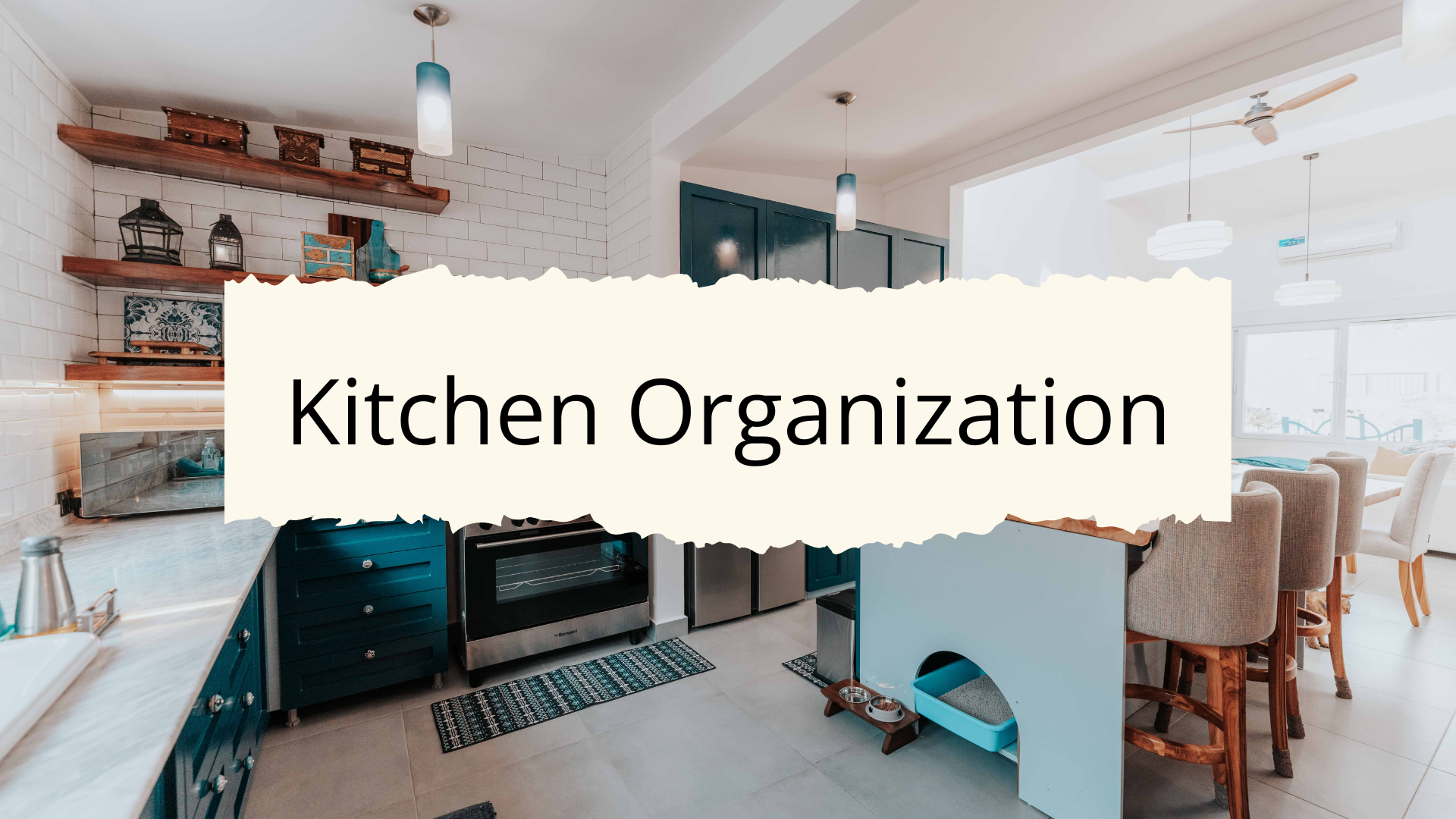
A kitchen that runs well is one where every category of item has a defined home.
This kitchen organizational checklist breaks that down zone by zone so nothing gets lost in the setup process.
What This List Is For:
This checklist covers the core zones of a home kitchen and what each one should contain. It’s a reference tool for household setup and reorganization; not a decluttering method or a step-by-step project plan.
📄 Looking for more lists like this one? The Home Management Binder is a ready-to-print system covering every area of your home in one organized place.
Many households place this sheet in the Cleaning & Organization Section of their home management binder so key household details are easy to find when needed.
What Is A Household Binder?
A household binder keeps important lists, records, and reference pages together in one organized place. For a full explanation of how the system works, visit our household binder guide.
Below are the items and categories typically covered in a complete kitchen organizational checklist.
Zones to Cover in a Kitchen Organizational Checklist
Countertops
Countertops work best when only daily-use items are stored on them; everything else should have a home in a cabinet or drawer.
Keeping this zone minimal reduces visual clutter and makes cleaning faster.
Items that belong on counters:
- Coffee maker or electric kettle
- Toaster or toaster oven
- Knife block or magnetic knife strip
- Paper towel holder
- Dish drying rack (if not stored in a cabinet)
- Small appliances used daily (stand mixer, air fryer – only if space allows)
If an appliance is not used at least a few times a week, it is a better fit for a cabinet than a counter.
Countertop space is most useful when it stays clear enough to function as an actual workspace.
Cabinets: Everyday Dishes and Glasses
The most frequently used items in this zone should be at eye level and within easy reach.
Stack by category and keep the zone limited to what the household actually uses on a regular basis.
Items to organize in this zone:
- Dinner plates, salad plates, bowls
- Every day glasses and mugs
- Kids’ dishes, if applicable
- Serving bowls used regularly
Specialty or seldom-used dishware, such as holiday sets, extra serving pieces, and formal glasses, is better stored in a separate cabinet or out of the kitchen entirely.
Want a Ready-Made Version?
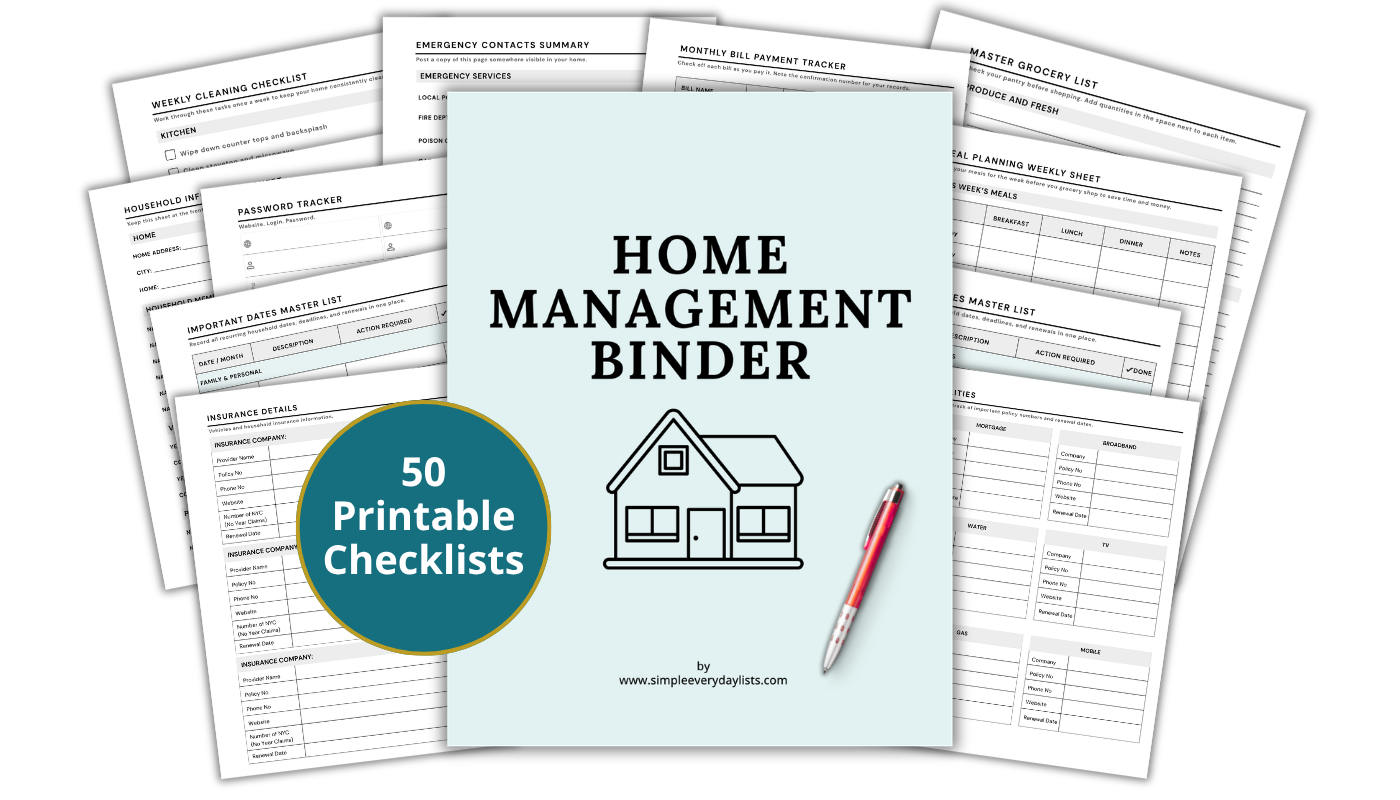
The Home Management Binder is a 50-page printable system covering every area of your household — bills, contacts, seasonal tasks, and more. Print once, use for years.
Learn more about the binder...Keeping this zone to everyday items only makes it faster to unload the dishwasher and set the table.
Cabinets: Cookware and Bakeware
Pots, pans, and baking sheets are often the most disorganized zone in any kitchen.
Using a single shelf or cabinet dedicated to this category, with lids stored separately or on a rack, keeps it manageable.
Items to include in this zone:
- Saucepans (small, medium, large)
- Skillets and frying pans
- Dutch oven or stockpot
- Sheet pans and roasting pans
- Baking dishes (glass and ceramic)
- Muffin tin, loaf pan, cake pans
- Pot lids (rack or separate section)
Most households find that nesting smaller pans inside larger ones and storing lids upright in a rack or along the cabinet wall saves the most space.
If the cookware collection has grown beyond what fits cleanly in one cabinet, that is a practical signal to edit the collection down.
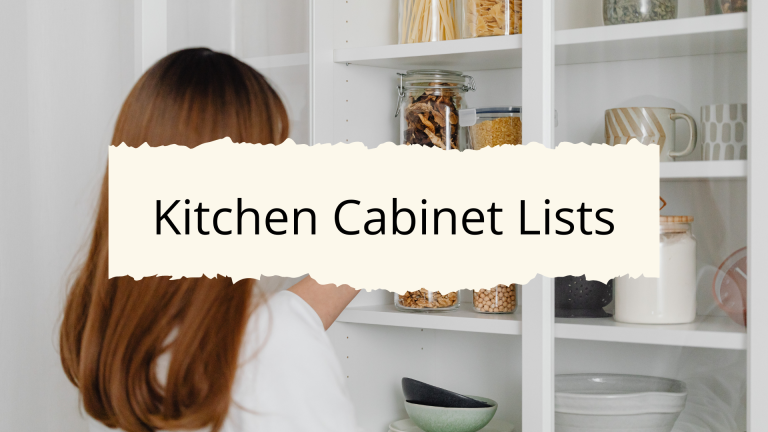
For a closer look at cabinet-specific categories, the kitchen cabinet organization checklists page breaks each cabinet zone down in more detail.
Drawers: Utensils and Tools
Kitchen drawers tend to accumulate quickly; assigning each drawer a category and sticking to it is the most reliable way to keep this zone functional.
Drawer dividers are useful but not required.
Items to organize across drawers:
- Silverware (forks, knives, spoons, serving utensils)
- Cooking tools (spatulas, ladles, tongs, whisks)
- Prep tools (vegetable peeler, can opener, grater, measuring spoons)
- Measuring cups (dry and liquid)
- Kitchen scissors
- Thermometer, timer, bottle opener
- Twist ties, bag clips, rubber bands
A catch-all drawer is fine to have, but it works better when it is limited to one drawer rather than expanding across several.
If items from this list are currently spread across multiple drawers without a clear system, consolidating by category first will make the zone easier to maintain.
The Home Management Binder includes a full collection of ready-to-print record pages covering every area of your home.
Pantry or Food Storage Cabinets
This zone covers all dry goods and shelf-stable food items.
Grouping by category and keeping the most-used items at eye level reduces the chance of items expiring unnoticed or being purchased in duplicate.
Categories to organize within pantry storage:
- Grains and pasta (rice, oats, pasta, quinoa)
- Canned and jarred goods (beans, tomatoes, broth, sauces)
- Baking supplies (flour, sugar, baking soda, baking powder, chocolate chips)
- Snacks (crackers, chips, nuts, dried fruit)
- Breakfast items (cereal, granola, pancake mix)
- Spices and seasonings (alphabetical or by category)
- Oils, vinegars, and condiments
Labeling shelf sections or storage bins by category makes it easier for all household members to return items correctly, not just the person who set the system up.
A quick scan of expiration dates at each grocery run takes less time when everything in a category is stored together.
Under-Sink Storage
This area is commonly used for cleaning supplies. The goal is to keep it to only what is actively in use, not a stockpile of extras.
Items typically stored under the sink:
- Dish soap and sponges
- All-purpose cleaner and surface spray
- Trash bags
- Rubber gloves
- Drain cleaner or disposal cleaner
- Small scrub brushes
Overflow cleaning supplies are better stored in a utility closet or laundry area rather than stacked under the sink.
A kitchen cleaning supplies list can help you confirm what you actually need before assigning storage space for it.
Keeping this zone to current-use items only makes it easier to access what you need without moving things around.
Refrigerator and Freezer
The fridge and freezer benefit from consistent zone assignments so that items are easy to find, and rotating stock happens naturally.
Zones to establish:
- Top shelf: leftovers, ready-to-eat foods, drinks
- Middle shelves: dairy, deli meats, cooked proteins
- Bottom shelf: raw meat (contained)
- Crisper drawers: produce (separate fruit and vegetables if drawers allow)
- Door shelves: condiments, butter, eggs, juice
- Freezer: proteins, frozen vegetables, prepared meals, ice
Once zones are established, the main maintenance task is making sure items are returned to the correct area after use rather than being placed wherever there is space.
A consistent zone layout also makes it faster to identify what needs to be used up before the next grocery trip.
Practical Notes on Using This Checklist
This checklist is most useful as a setup reference, something to work through once when establishing or resetting a kitchen’s organization system.
After the initial setup, it functions as a maintenance check rather than a recurring task list.
Most households will find that the zones stay organized as long as items are consistently returned to their assigned areas.
The checklist can be reviewed seasonally or whenever a zone stops functioning clearly – for example, after a move, after a pantry overstock, or after a significant change in household size.
Some households add additional zones not covered here, such as a coffee station, a kids’ snack drawer, or a baking-specific cabinet. Those can be added to the checklist as additional sections based on how the kitchen is actually used.
There is no universal right answer for which items go in which cabinet. The organizing principle that matters most is that items used together are stored together, and items used frequently are stored accessibly.
💡 This list is one part of a larger home organization system. Browse the complete collection of organization checklists and reference tools in the home organization system.
Summary
This checklist covers the main zones found in most home kitchens: countertops, cabinets, drawers, pantry, under-sink storage, and the refrigerator and freezer.
Working through each zone with a defined category list makes it easier to assign items consistently and spot what needs to be adjusted.
If you would like one structured place for all of your household records, the Home Management Binder collects every log, checklist, and record page into a single printable binder you can personalize to your own needs.
Ready to set up the full system?
The Home Management Binder includes 50 formatted, print-ready checklists covering household finances, contacts, seasonal tasks, and everything in between - organized and ready to use.
Learn more about the Home Management Binder