
Bookmark this page for quick reference
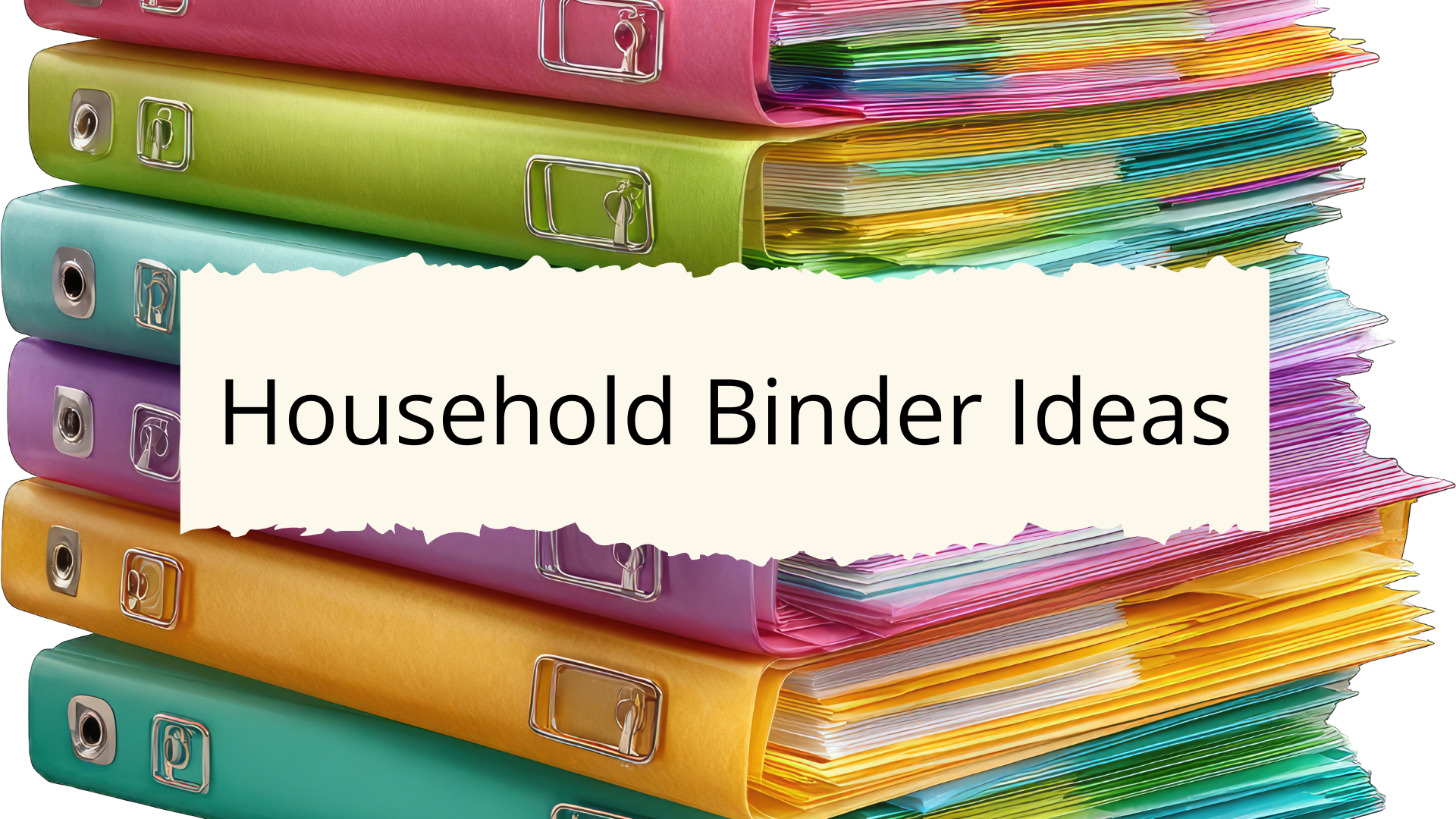
A household binder can take many different forms depending on the size and complexity of your household.
The structure, format, and sections you choose will determine how useful the system actually is day to day.
What This List Is For:
This post covers configuration options for a household binder, such as different ways to structure, format, and arrange one based on your household’s specific needs.
📄 You can find a structured, printed version of a Home Management Binder here.
What is a Household Binder?
A household binder is a single reference point for the lists and information you use repeatedly to manage your home.
For a full overview of how the system works, visit our household binder guide.
This post covers five configuration areas i.e.
- Single binder vs. multiple binders
- Section arrangements by household type
- Physical format options
- Divider and labeling approaches, and
- Specific-use binder setups.
It is not a list of what to put in a binder; it’s a reference for how to structure one. Use it when setting up a new system or reworking one that isn’t functioning well.
If you want to know what paperwork goes into a household binder, then you might find 50 Essential Lists to Keep in a Household Binder useful.
Idea 1: Single Master Binder vs. Multiple Binders
The most basic structural decision is whether to keep everything in one binder or divide your household information across two or more binders.
Both approaches work; the right choice depends on the volume of paperwork you’re managing and how often you need to access different sections.
A single master binder works well for most households.
It keeps everything in one place, uses tabbed dividers to separate sections, and is easy to grab when you need it.
This is the most common setup and works for households of all sizes.
Multiple binders make sense when one section grows large enough to warrant its own volume, or when a specific set of documents needs to be accessible separately, such as an emergency binder kept in a designated grab-and-go location.
Common standalone binders include:
- Emergency binder: Kept separately for quick access in urgent situations
- Medical binder: Detailed health records, insurance documents, and provider contacts
- Pet records binder: Vaccination history, vet contacts, licensing, and care instructions
- Home sale or renovation binder: Permits, contractor contacts, improvement records
- New homeowner binder: Closing documents, warranties, utility setup, and first-year maintenance records
Idea 2: Section Arrangements by Household Type
The sections you include will depend on what your household actually needs to track.
A single-person household has different information requirements than a family with children, and a renter needs different documentation than a homeowner.
Here are common section arrangements organized by household type.
Single-person or couple household: A leaner binder focused on contacts, documents, finances, and maintenance:
- Contacts and service providers
- Personal identification and legal documents
- Medical information
- Financial account summary and bill payment records
- Home maintenance and appliance records
- Subscriptions and annual renewals
Family with children: A fuller binder that adds school, childcare, and per-person information sections:
- Emergency contacts and household contacts
- School information and calendars per child
- Childcare information and backup care contacts
- Medical information per family member
- Pet records (if applicable)
- Home maintenance, warranty, and appliance records
- Financial documents and insurance summaries
- Important dates and annual subscription tracker
Renter vs. homeowner: Homeowners typically need more space for home-specific records:
- Renters: lease agreement summary, landlord and property manager contacts, renter’s insurance details, utility account information
- Homeowners: mortgage information, home warranty documents, property tax records, home repair history log, appliance serial numbers, and warranties
Related Reading: Important Documents to Keep in a Household Binder
Idea 3: Physical Format Options
Household binders don’t have to look any particular way.
The format you choose affects how easy the binder is to use, how portable it is, and how much it can hold.
These are the most common physical format options:
- Standard 1-inch 3-ring binder: Works for most single-household binders; easy to find, affordable, and simple to reorganize with tabbed dividers
- 2-inch or 3-inch 3-ring binder: Better for households with significant documentation volume or those combining multiple sections into one binder
- Slim binder or mini binder: Useful for a standalone emergency or travel binder that needs to stay compact
- Accordion folder hybrid: Some households keep active paperwork in an accordion folder and use the binder for reference documents only; useful if you prefer to keep “to file” paperwork physically separate
- Binder with front pocket: Useful for storing loose papers, notes, or documents waiting to be filed into the correct section
The binder itself is just a container.
What matters more is that the format makes it easy to add pages, find sections quickly, and keep the binder in a consistent location.
Idea 4: Divider and Labeling Approaches
How you label and divide your binder sections directly affects how quickly you can locate information.
There’s no single right system, but consistency matters more than the specific labels you choose.
- Tabbed plastic dividers: The most durable option; tabs are easy to read and survive regular handling
- Printed section covers: A page printed with the section name that sits behind the divider tab, useful for identifying sections at a glance when the binder is open
- Color-coded sections: Assigning a color to each section (by divider or tab color) speeds up navigation in a larger binder
- A binder index page: A simple table of contents at the front listing section names and what they contain; particularly useful in binders shared by multiple household members
Whatever labeling system you use, write section names as you’d actually search for them, for example, “Medical” is more findable than “Health and Wellness Records.”
Idea 5: Specific-Use Binder Configurations
Some households find it useful to build binders around a specific purpose or life event rather than running a single ongoing system.
These are self-contained and can be archived once the purpose is complete.
- Home sale prep binder: Lists of repairs completed, contractor contacts, appliance manuals to transfer to buyers, utility account information, and staging notes
- New homeowner binder: Closing document checklist, utility setup records, first-year maintenance schedule, neighbor contacts, and home warranty information
- Estate planning reference binder: Not a replacement for legal documents, but a household reference page listing where documents are stored, attorney contacts, and key account information for family members to access if needed
- Renovation or major project binder: Permits, contractor bids and contracts, material receipts, before-and-after photo log references, and warranty information for new installations
- Annual household review binder: A temporary working binder built each year during a household review, containing the year’s completed checklists, insurance renewal records, and notes for the following year
Practical Notes
Most households start with a single master binder and add sections over time as they identify gaps.
Starting with a lighter structure and building out is more practical than setting up an elaborate system before you know what you actually need.
If you’re deciding between a single binder and multiple binders, consider how often each section is accessed.
Sections you use weekly belong in an accessible master binder.
Sections you reference only once or twice a year, such as archived tax documents, for example, can live in a separate binder on a shelf.
Whichever configuration you choose, the binder works best when it has a fixed home, whether that be on a designated shelf, drawer, or cabinet that all household members know.
A system that requires searching for the binder is a system that won’t get used.
If you’re ready to start building, the Household Binder Setup Checklist covers the full assembly process from supplies to maintenance routine.
Also, if you’d prefer a ready-made version, the printable Home Management Binder includes a formatted version of all the pages referenced in this post, organized by section and ready to print.