
Bookmark this page for quick reference
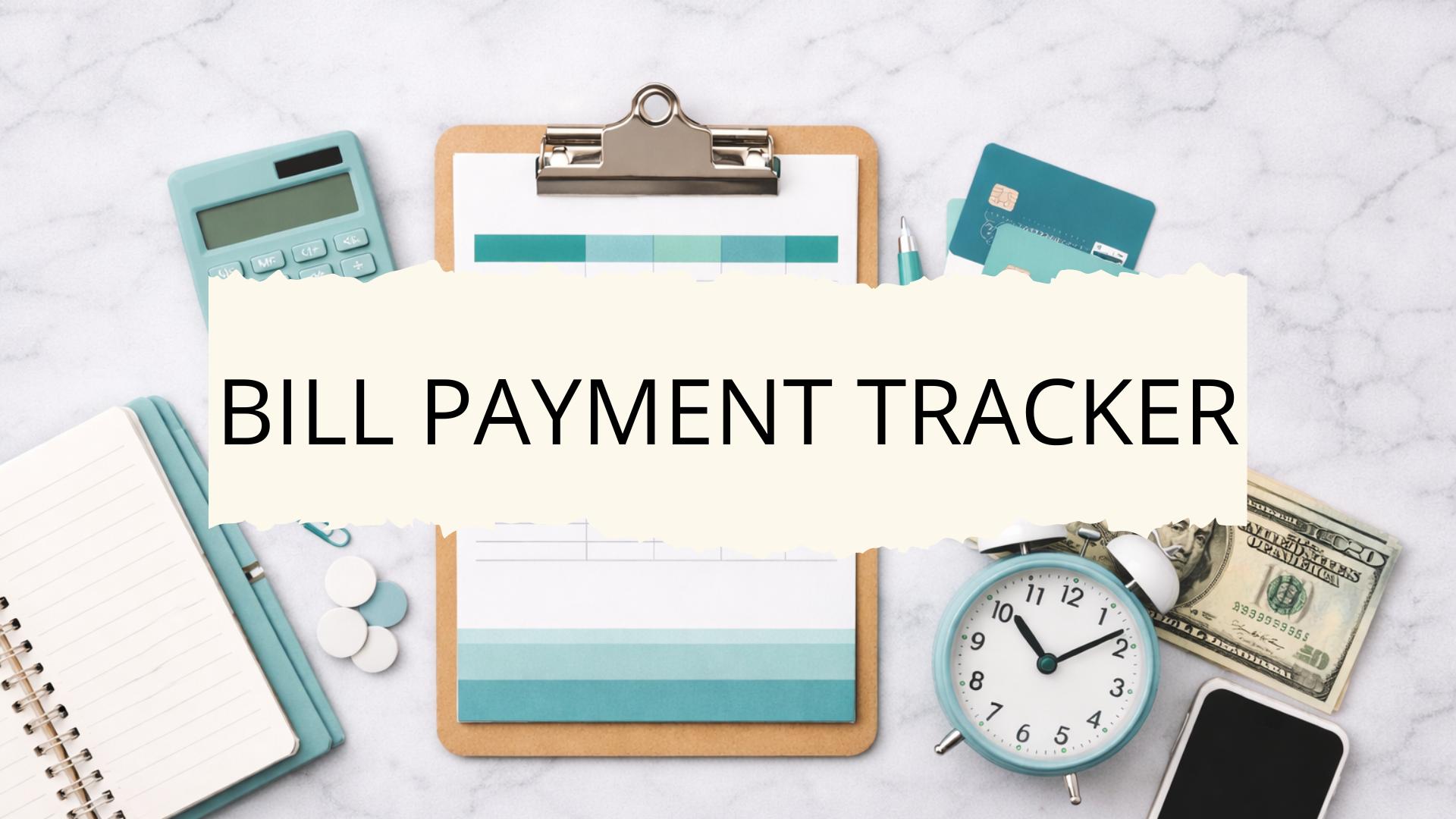
Keeping track of household bills becomes much easier when everything is recorded in one place.
A simple bill payment tracker, or monthly bill tracker, allows you to see upcoming due dates, payment methods, and bill amounts at a glance, so nothing slips through the cracks.
What This List Is For:
This list helps you identify which household bills to include in your bill payment tracker so all recurring payments are recorded in one organised place. It keeps utilities, subscriptions, and service bills easy to track each month.
📄 You can find a blank Bill Payment Tracker inside the Home Management Binder so you can personalize it to your own needs.
Many households keep a monthly bill tracker inside their home management binder so bills can be reviewed during regular home administration routines.
A household binder is a single reference point for the lists and information you use repeatedly to manage your home. For a full overview of how the system works, visit our household binder guide.
Below are the details typically included on this type of list.
Information to Include in a Bill Payment Tracker
Bill Name Or Service Provider
The first section of a bill payment tracker records the name of each company or service provider that sends a bill.
Listing the provider clearly allows you to scan the list quickly and identify each payment.
Households often manage a mixture of utilities, subscriptions, and service contracts at the same time.
Writing the provider name on a household bill tracker keeps everything easy to recognise during a monthly review.
Typical entries recorded in this section may include:
- Electricity Provider
- Gas Supplier
- Water Company
- Internet Service Provider
- Mobile Phone Provider
- Streaming Subscription Service
- Council Tax Authority
Clear bill names help keep a bill tracker organised and easy to review each month.
Account Number Or Customer Reference
Most household bills are connected to an account number or reference ID.
Recording these details on a bill payment checklist ensures the correct account can be located quickly if you need to contact the provider.
This information is particularly useful when checking account details online or speaking with customer service.
Common account information recorded in a bill tracker includes:
- Utility Account Number
- Customer Reference Number
- Subscription Account ID
- Service Agreement Number
- Property Reference Number
- Insurance Policy Number
- Supplier Account ID
Keeping these identifiers on your tracker prevents the need to search through statements or emails.
Billing Frequency
Not every household bill is paid monthly, as some bills arrive quarterly, annually, or at different intervals depending on the provider.
Recording the billing schedule on a monthly bill tracker helps you understand when payments should appear during the year.
Typical billing schedules recorded include:
- Monthly Utility Billing
- Quarterly Service Charges
- Annual Subscription Renewal
- Bi-Monthly Service Payments
- Annual Insurance Premium
- Seasonal Service Payments
- Council Tax Payment Schedule
Understanding billing frequency helps households anticipate upcoming payments and maintain an organised bill tracker.
Payment Due Date
The due date is one of the most important details recorded on a bill payment tracker.
Listing the payment deadline helps ensure bills are paid before late fees or service interruptions occur.
Many households review this section weekly to see which payments are approaching.
Information commonly recorded in this section includes:
- Standard Monthly Due Date
- Exact Payment Deadline
- Automatic Debit Processing Date
- Reminder Date For Manual Payment
- Grace Period Deadline
- Billing Cycle Start Date
- Annual Renewal Date
Clear due dates make it much easier to track household bills across the month.
Payment Method
Bills can be paid using several different payment methods, depending on the provider and household preferences.
Recording how each bill is paid helps you know which payments require manual action.
Some households also use a bill payment checklist alongside this information to confirm which bills are paid automatically.
Typical payment methods recorded include:
- Direct Debit Bank Payment
- Credit Card Automatic Payment
- Online Payment Portal
- Bank Transfer Payment
- Standing Order
- Manual Monthly Payment
- Prepaid Service Account
Tracking payment methods keeps monthly bill management simple and predictable.
Typical Payment Amount
Many households like to record the usual amount for each bill so they can quickly estimate monthly expenses.
Even if the amount varies slightly, this provides a helpful reference when reviewing bills.
This section is often reviewed alongside a household budget list or expense tracker.
Typical details recorded include:
- Standard Monthly Bill Amount
- Estimated Payment Range
- Average Utility Cost
- Minimum Payment Amount
- Subscription Price
- Recent Price Increase Notes
- Seasonal Cost Variation
Recording payment amounts gives households a clearer picture of recurring expenses.
Payment Status
A bill payment tracker is commonly used to confirm whether a bill has already been paid during the current billing period.
Marking payment status prevents both missed payments and accidental duplicate payments.
Many households update this section during a weekly home administration routine.
Typical payment status entries include:
- Paid
- Payment Scheduled
- Automatic Payment Pending
- Unpaid
- Overdue Payment
- Statement Received
- Awaiting Invoice
Tracking payment status helps keep a monthly bill tracker accurate and reliable.
Notes And Service Updates
The final section of a bill tracker allows space to record additional notes about a service provider or billing change.
These notes help households remember important details related to contracts or account updates.
Recording service updates alongside the bill entry keeps related information easy to locate.
Typical notes recorded include:
- Contract Renewal Date
- Tariff Or Plan Changes
- Billing Increase Notification
- Customer Service Contact Notes
- Cancellation Deadline
- Service Upgrade Details
- Billing Dispute Reference
Keeping these notes on the tracker ensures important billing details remain connected to each service provider.
Summary
A bill payment tracker provides a clear overview of recurring household payments.
When every bill is listed in one place, it becomes much easier to see which payments are due and which have already been completed.
Some households review their bill tracker during a monthly home administration routine to ensure no payments are missed.
Keeping a simple bill tracker also helps monitor recurring expenses and maintain organised household records.
This type of list is commonly stored inside a Home Management Binder, where it can be reviewed alongside other household organisation checklists and planning pages.